

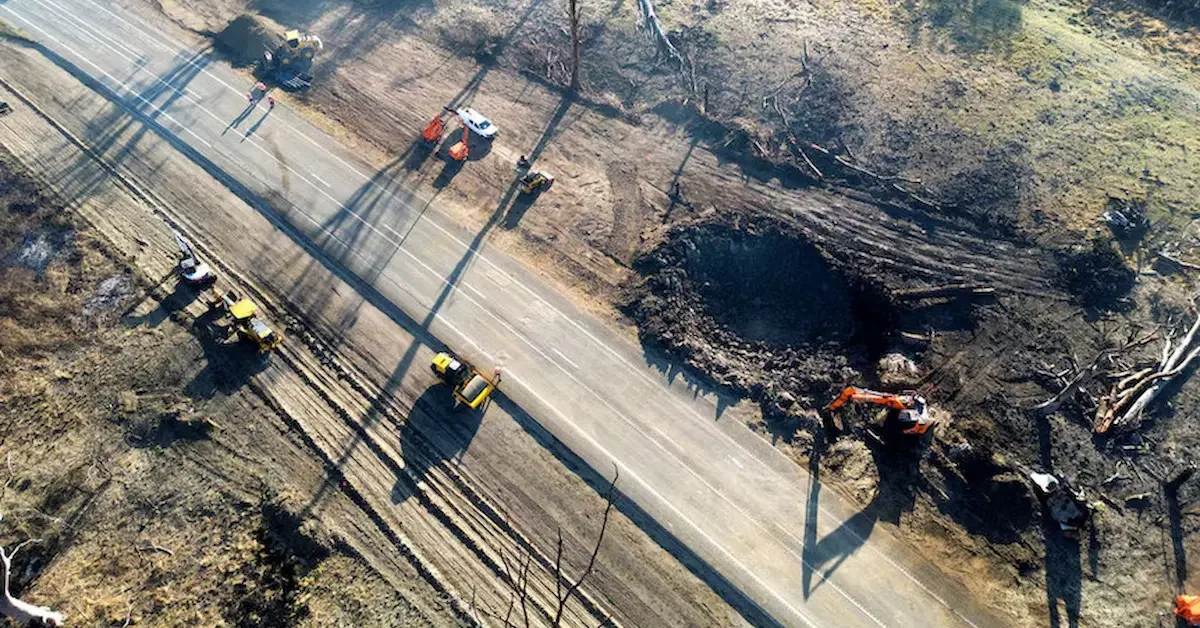
If you are searching for chemical truck explosion Gladstone, you may be trying to understand a reported truck fire, explosion, hazardous-material incident, or safety concern in or around Gladstone, Queensland. Chemical transport incidents can attract immediate attention because dangerous goods may create fire, smoke, toxic exposure, or road-safety risks.
The exact circumstances of any particular incident should be confirmed through official emergency services, police, road authorities, or verified local reporting. Early reports can change as authorities identify the vehicle, cargo, cause of the incident, and any effects on nearby roads or communities.
This guide explains what a chemical truck explosion can involve, why these incidents are potentially dangerous, what emergency warnings mean, and how people nearby can respond safely.
Table of Contents
What Does a Chemical Truck Explosion Mean?
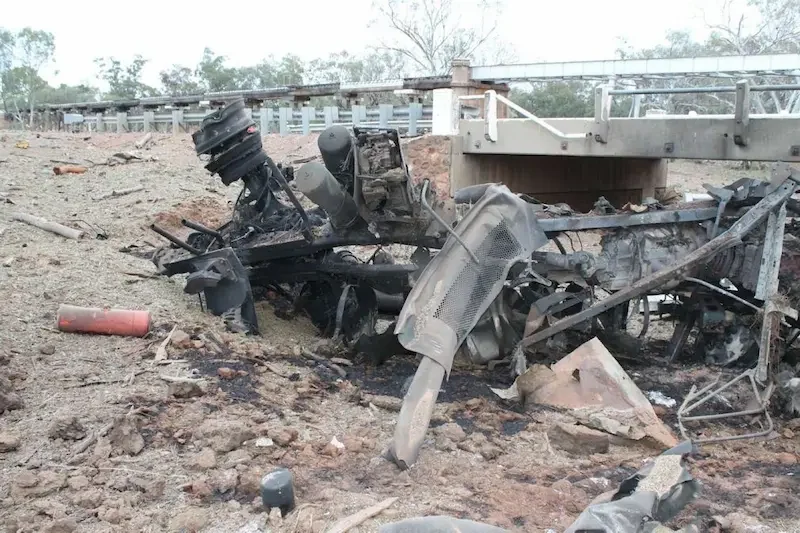
A chemical truck explosion generally refers to an incident involving a road vehicle carrying hazardous chemicals or other dangerous goods where a fire, explosion, pressure event, or chemical reaction occurs.
Not every chemical truck fire results in an explosion. The outcome depends on several factors, including:
- The type of material being transported
- The quantity involved
- The condition of the vehicle and containers
- Heat exposure
- Damage caused by a collision
- Nearby ignition sources
- How the material reacts with air, water, or other substances
A truck transporting chemicals may carry liquids, gases, solids, fuels, industrial products, or other regulated dangerous goods.
Why Chemical Truck Incidents Can Be Serious
A conventional vehicle fire is already dangerous, but a hazardous-material truck incident can create additional risks.
Fire and Heat
Some chemicals can burn intensely or contribute to the spread of fire. A damaged container can also expose its contents to high temperatures. Chemical Truck Explosion Gladstone
Toxic Smoke
Burning chemicals may produce smoke or combustion products that can irritate the eyes and respiratory system or create other health hazards. Chemical Truck Explosion Gladstone
The danger depends heavily on the substance involved. This is why people should not assume that all smoke from a chemical truck incident carries the same risk. Chemical Truck Explosion Gladstone
Chemical Exposure
A damaged tank, drum, cylinder, or container may release its contents onto the road or surrounding area.
Direct contact with an unknown substance should be avoided. Chemical Truck Explosion Gladstone
Secondary Fires or Explosions
Some hazardous materials can become more dangerous when exposed to heat, ignition sources, incompatible substances, or damaged containers. Chemical Truck Explosion Gladstone
Emergency crews therefore need to identify the material before deciding how to approach and contain the incident. Chemical Truck Explosion Gladstone
What Could Cause a Chemical Truck Explosion?
It is not possible to determine the cause of a particular Gladstone incident without reliable investigation results. In general, hazardous-material vehicle incidents can have several possible causes. Chemical Truck Explosion Gladstone
Road Crashes
A collision can damage:
- Fuel systems
- Chemical tanks
- Valves and fittings
- Pressurized containers
- Electrical components
- Other safety equipment
A crash can therefore create a chain of events involving leakage, fire, or chemical exposure.
Mechanical or Electrical Faults
A vehicle carrying dangerous goods can still experience ordinary mechanical problems. Chemical Truck Explosion Gladstone
Potential ignition sources can include electrical faults, overheating components, or damaged equipment. However, the actual cause must be established by investigators rather than assumed from the appearance of a fire. Chemical Truck Explosion Gladstone
External Fire
A truck may be exposed to a fire that began elsewhere. Heat can damage containers or other vehicle components and potentially make the incident more serious. Chemical Truck Explosion Gladstone
Chemical Reaction
Certain substances have specific storage and handling requirements because they may react under particular conditions. Chemical Truck Explosion Gladstone
Only trained hazardous-material professionals should determine whether a chemical reaction is involved. Chemical Truck Explosion Gladstone
you may also like it;
crane truck gladstone | Local Lifting Guide
Tip Truck Hire Gladstone: A Complete Local Hire
truck explodes near gladstone: What We Know
What Happens When a Chemical Truck Is Involved in an Emergency?
Emergency response to a hazardous-material incident is usually more complicated than responding to an ordinary vehicle breakdown or crash. Chemical Truck Explosion Gladstone
Responders may need to:
- Establish a safe perimeter.
- Identify the vehicle and hazardous material.
- Assess wind and environmental conditions.
- Determine whether evacuation or sheltering is necessary.
- Control traffic around the affected area.
- Extinguish or contain the fire when it is safe to do so.
- Prevent contaminated material from spreading.
- Investigate the incident after the immediate danger is controlled.
The response can take time because authorities may need to confirm what substance is present before using particular firefighting or containment methods. Chemical Truck Explosion Gladstone
What Should You Do If You Are Near a Chemical Truck Fire?
If you encounter a chemical truck fire or suspected hazardous-material incident, your first priority should be distance and personal safety.
Move Away From the Incident
Do not approach the truck to take photographs or videos.
A vehicle can remain dangerous even after flames appear to have reduced because containers may still be hot, damaged, pressurized, or leaking.
Follow Official Instructions
If emergency services issue an evacuation, road closure, or shelter-in-place instruction, follow it promptly.
Do not rely on social media comments or unverified messages when official instructions are available.
Avoid Smoke and Unknown Substances
If smoke is moving toward you, move away from the affected area and follow official advice.
Never touch an unidentified liquid, powder, residue, container, or debris from a chemical incident.
Keep Roads Clear
Emergency vehicles need unobstructed access. Avoid driving toward a closed road or stopping near the incident simply to observe it.
Why Road Closures May Continue After a Fire
People sometimes wonder why a road remains closed after visible flames have disappeared.
There may still be:
- Damaged vehicles
- Chemical residue
- Contaminated surfaces
- Structural hazards
- Hot containers
- Spill-response operations
- Investigative work
- Vehicle recovery operations
A road can therefore remain restricted even when the immediate fire appears to be under control.
How Authorities Determine What Was on the Truck
Hazardous-material response teams may use information from several sources to identify a vehicle’s cargo.
This can include:
- Vehicle markings
- Dangerous-goods information
- Shipping documents
- Tank or container labels
- Driver information
- Transport records
- Specialist detection equipment
- Information supplied by the operator
Accurate identification matters because different substances require different emergency procedures.
Chemical Truck Explosion Gladstone: How to Check Reliable Updates
If your search relates to a specific incident, be careful with early information.
Reports posted shortly after a crash or fire may not yet establish:
- What chemical was being transported
- Whether an explosion actually occurred
- Whether anyone was injured
- What caused the incident
- Whether nearby residents were evacuated
- How long a road closure will last
For current information, prioritize official Queensland emergency, police, road-closure, and local-authority updates over unverified social media posts.
When reporting or sharing an incident, distinguish between confirmed facts and preliminary reports.
What Makes Gladstone Important for Dangerous-Goods Transport?
Gladstone is a major industrial and port region in Queensland, with extensive industrial activity and freight movement.
That means heavy vehicles and commercial transport form an important part of the area’s broader transport network. Dangerous goods may also be moved as part of legitimate industrial and commercial operations.
This does not mean that chemical truck incidents are routine or inevitable. It simply explains why hazardous-material transport is an important road-safety topic for an industrial region.
How Dangerous-Goods Trucks Are Designed for Safety
Commercial vehicles transporting hazardous materials are subject to requirements concerning the transport and handling of dangerous goods.
Safety measures can include:
- Appropriate containers
- Vehicle identification
- Cargo handling procedures
- Driver training
- Emergency information
- Inspection and maintenance requirements
- Transport planning
- Spill and emergency-response procedures
The exact requirements depend on the substance, vehicle, route, and applicable regulations.
Common Misunderstandings About Chemical Truck Explosions
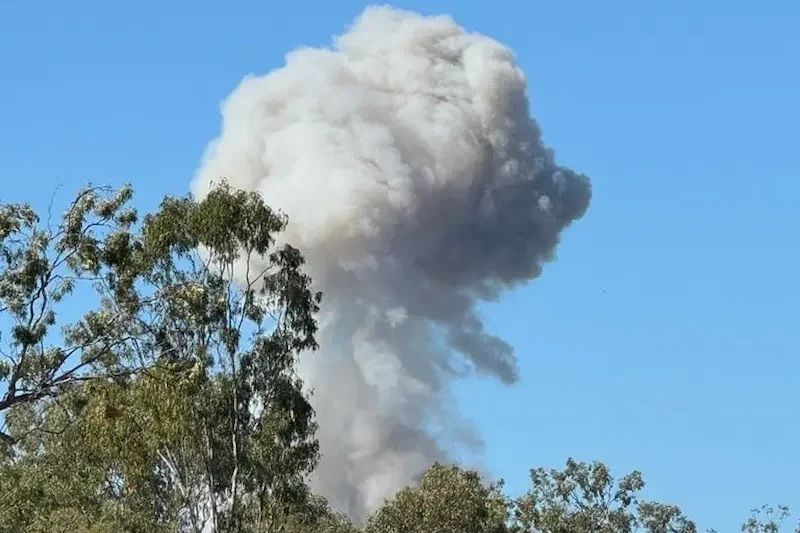
A Fire Does Not Automatically Mean an Explosion
A truck can burn without producing an explosion.
The words “fire,” “blast,” “explosion,” and “chemical release” describe different events and should not be treated as interchangeable.
Smoke Does Not Identify the Chemical
The appearance or color of smoke alone cannot reliably tell the public what substance is involved.
Social Media Is Not Always Reliable
Photos and videos can show that an incident occurred, but they may not establish its cause, cargo, injuries, or chemical identity.
The Largest Visible Fire Is Not Necessarily the Greatest Hazard
Hazardous-material risks can include invisible vapors, contamination, pressure hazards, or materials that react under specific conditions.
What Information Should You Look For After an Incident?
If you are researching a particular chemical truck incident in Gladstone, useful confirmed information includes:
| Information | Why It Matters |
| Exact location | Helps identify affected roads and nearby areas |
| Date and time | Separates current reports from older incidents |
| Vehicle type | Helps establish what kind of transport was involved |
| Cargo identification | Indicates the potential hazard |
| Fire or explosion status | Clarifies what actually occurred |
| Injuries | Provides confirmed information about casualties |
| Road closures | Helps drivers plan alternative routes |
| Evacuation advice | Indicates whether nearby people face a direct risk |
| Official investigation | May establish the cause later |
What Not to Do During a Hazardous-Material Incident
Avoid these mistakes:
- Do not approach the vehicle.
- Do not touch spilled material.
- Do not drive through smoke or an emergency cordon.
- Do not ignore official evacuation instructions.
- Do not assume a substance is harmless because it looks familiar.
- Do not spread unconfirmed claims about injuries or chemical exposure.
- Do not interfere with emergency responders.
Keeping a safe distance is usually far more helpful than trying to investigate the incident yourself.
What happened in the chemical truck explosion Gladstone incident?
If you are referring to a specific recent event, the confirmed details should come from official emergency services, police, road authorities, or reputable local reporting. Early descriptions can change as responders identify the vehicle, cargo, cause, and extent of damage.
Are chemical truck explosions dangerous?
They can be. Potential hazards may include fire, intense heat, toxic smoke, chemical exposure, pressure-related hazards, and contamination. The actual risk depends on the substance involved and the circumstances of the incident.
What should I do if I see a chemical truck fire?
Stay away from the vehicle, avoid smoke and unknown substances, keep clear of emergency operations, and follow instructions from emergency authorities. Do not stop nearby simply to watch or photograph the incident.
Conclusion
A chemical truck explosion Gladstone search can refer to a serious hazardous-material incident, but individual details should never be assumed from early reports or social media posts. The safest approach is to rely on confirmed information from emergency authorities and avoid the affected area until officials say it is safe.
Chemical transport is an important part of industrial and freight activity, but incidents involving dangerous goods require specialized emergency procedures. If you encounter a chemical truck explosion Gladstone incident, keep your distance, avoid smoke and unknown substances, follow official warnings, and allow trained responders to manage the situation.

14 Comments
Pingback: Truck Rentals Gladstone: A Practical Guide To Truck Hire...
Pingback: Gladstone Truck Rentals: A Practical Guide To Hiring The...
Pingback: Avis Truck Rental Gladstone Qld: Complete Rental Guide -...
Pingback: Tip Truck Hire Gladstone: A Complete Local Hire Guide -...
Pingback: Truck Explodes Near Gladstone: What Happened And What...
Pingback: Crane Truck Gladstone | Local Lifting Guide - Gladstone
Pingback: Truck Crash Gladstone: Safety & Road...
Pingback: Truck Wheel Alignment Gladstone | Expert Guide - Gladstone
Pingback: Gladstone Truck Accident: Safety, Causes & What To Do -...
Pingback: Moving Truck Rental Gladstone: Complete Local Guide -...
Pingback: Little Green Truck Gladstone Qld | Moving & Delivery Guide - Gladstone
Pingback: Gladstone Monster Truck Show: 2026 Event Guide - Gladstone
Pingback: Truck Rental Gladstone - Gladstone
Pingback: Budget Truck Hire Gladstone - Gladstone