

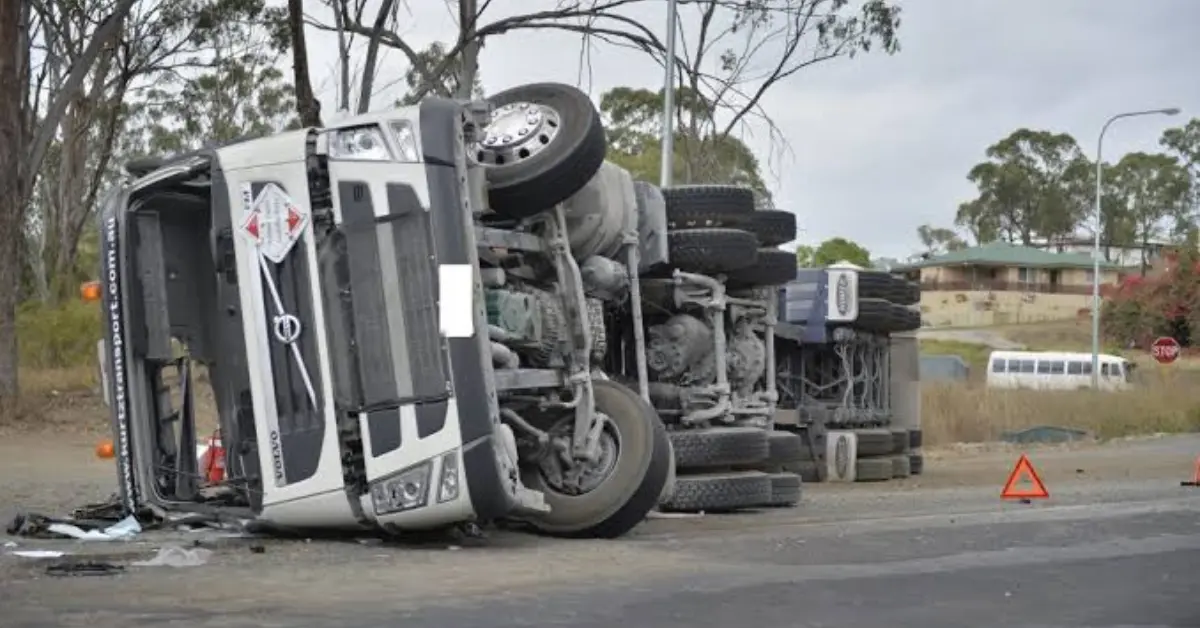
A Gladstone truck rollover can create serious safety risks for truck drivers, passengers, other motorists, and emergency responders. Because large trucks can carry heavy loads and may transport hazardous materials, a rollover can result in injuries, road blockages, vehicle damage, spills, and long traffic delays.
Truck rollovers can happen for different reasons, including excessive speed, sharp turns, uneven roads, poor visibility, driver fatigue, weather conditions, or improperly secured cargo. Understanding these risks can help drivers and other road users make safer decisions.
Table of Contents
What Is a Truck Rollover?
A truck rollover happens when a truck loses stability and tips onto its side or, in more serious cases, rolls completely over. The vehicle may leave the roadway, block traffic lanes, damage roadside infrastructure, or spill its cargo.
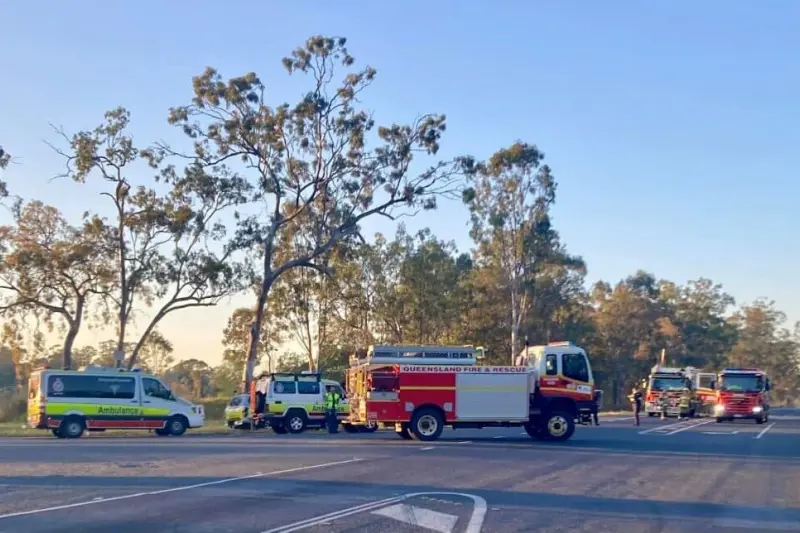
A Gladstone truck rollover can be particularly disruptive when it occurs on a major highway or busy freight route. Emergency crews may need to secure the area, treat injured people, control traffic, remove the truck, and clean up debris before the road can fully reopen.
Common Causes of Truck Rollovers
Truck rollovers are often connected to a combination of driver, vehicle, road, weather, and cargo conditions.
Excessive Speed
Speed is one of the important factors in rollover risk. A heavy truck traveling too quickly through a curve may have difficulty maintaining stability.
When a truck enters a bend at excessive speed, the forces acting on the vehicle can cause it to lean and potentially overturn.
Sharp Turns
Sudden steering movements can make a large vehicle unstable. Truck drivers need to consider the vehicle’s height, weight, center of gravity, and load when negotiating turns.
A Gladstone truck rollover may occur when a driver takes a corner too quickly or makes a sudden steering correction.
Improperly Loaded Cargo
Cargo distribution has a major effect on truck stability. If heavy items are positioned incorrectly or cargo is not secured properly, the truck’s center of gravity can change.
During sudden braking, turning, or evasive maneuvers, improperly loaded cargo can increase rollover risk.
Driver Fatigue
Long hours behind the wheel can reduce concentration and reaction time. A tired driver may also have difficulty judging speed, road conditions, or curves.
Fatigue can therefore contribute indirectly to a Gladstone truck rollover when a driver reacts too slowly to a changing road situation.
Poor Visibility
Fog, smoke, heavy rain, darkness, and other visibility problems can make it harder for drivers to see curves, obstacles, traffic, and changing road conditions.
A recent Bruce Highway rollover near Colosseum involved a truck driver who was taken to Gladstone Hospital with arm and leg injuries; reports also raised visibility concerns involving heavy fog and smoke from a burn-off.
You may also like these posts:
Gladstone Truck Hire: What You Need to Know
Truck Hire Gladstone QLD: A Complete Rental Guide
Little Green Truck Gladstone: Moving and Delivery Services
CQ Truck and Trailer Gladstone: A Complete Guide
Weather Conditions and Truck Rollovers
Weather can affect truck stability and visibility. Rain can make roads slippery, while strong winds can affect high-sided vehicles.
Fog is another concern because it reduces the distance a driver can see ahead. When visibility is poor, drivers may have less time to react to curves, stopped vehicles, road debris, or emergency situations.
During severe weather, truck drivers should reduce speed and increase following distance when conditions require it.
Road Conditions
Road design and surface conditions can also affect truck stability. Uneven surfaces, sharp bends, narrow lanes, damaged pavement, road debris, and changing road gradients may create additional challenges for heavy vehicles.
Major freight routes around Gladstone carry significant truck traffic, so road safety is particularly important.
Drivers should pay attention to warning signs, speed restrictions, curves, roadworks, and changes in surface conditions.
The Importance of Cargo Loading
Cargo loading is one of the most important parts of commercial trucking. A truck that is loaded incorrectly may behave differently from a properly balanced vehicle.
Cargo should be distributed appropriately and secured according to applicable requirements. Loads that shift while a truck is moving can change the vehicle’s balance.
In severe circumstances, cargo movement can contribute to a Gladstone truck rollover, particularly when combined with excessive speed or sudden steering.
What Happens After a Truck Rollover?
A rollover can require a coordinated response from several emergency and recovery services.
Depending on the circumstances, responders may need to:
- Secure the accident scene
- Treat injured people
- Control traffic
- Prevent additional collisions
- Check for fuel or chemical leaks
- Remove debris
- Recover the overturned truck
- Inspect the roadway
- Clean spilled materials
- Reopen affected lanes
A serious Gladstone truck rollover can therefore take considerable time to clear, especially when the truck is carrying a heavy or hazardous load.
Injuries From Truck Rollovers
Truck rollover accidents can cause serious injuries because of the size and weight of commercial vehicles.
Possible injuries may include:
- Broken bones
- Head injuries
- Back injuries
- Neck injuries
- Spinal injuries
- Internal injuries
- Cuts and bruises
- Crush injuries
- Serious soft-tissue injuries
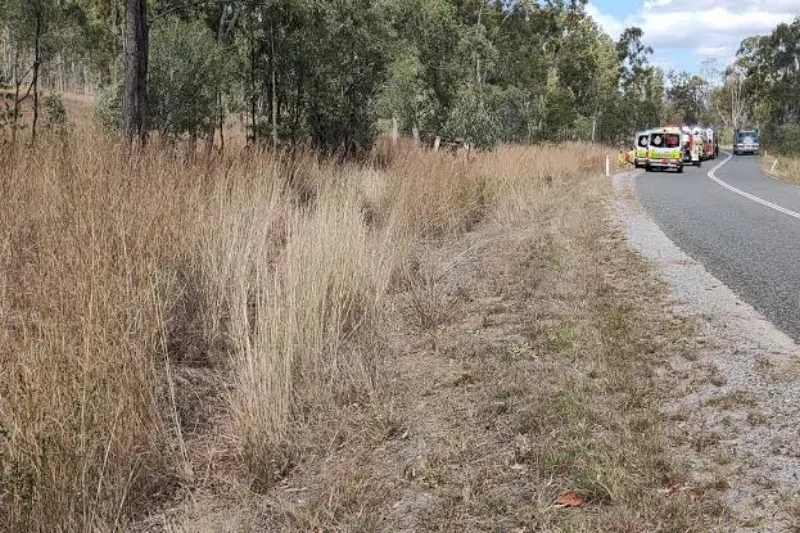
In one reported rollover near Gladstone, a truck driver was transported to hospital with injuries after the crash.
Anyone involved in a serious crash should receive appropriate medical attention as soon as possible.
Risks to Other Drivers
A rollover does not only affect the truck driver. Other motorists can also be placed in danger.
An overturned truck may block lanes, scatter cargo across the road, or cause following vehicles to brake suddenly. If fuel or another substance leaks onto the roadway, additional hazards may occur.
Drivers approaching a Gladstone truck rollover should slow down, follow emergency personnel instructions, and avoid entering closed lanes or restricted areas.
Hazardous Cargo and Rollover Accidents
Some commercial trucks carry materials that require special handling. If such a vehicle overturns, emergency responders may need to determine what the truck was carrying before beginning certain recovery or cleanup operations.
Historical Queensland parliamentary discussion has highlighted the additional challenges that truck rollovers can create when hazardous goods are involved on major freight routes around Gladstone.
For this reason, drivers should never approach spilled substances or attempt to clean up unknown materials after a truck crash.
Road Closures After a Rollover
A major rollover can result in temporary road closures. Emergency crews may need enough space to treat injuries, secure the truck, remove debris, and complete recovery operations.
For example, reported truck rollovers on the Bruce Highway near Gladstone have resulted in lane blockages and traffic controls while emergency crews worked at the scene.
Drivers should avoid entering closed areas and should follow official traffic directions.
What Should Drivers Do Near a Truck Rollover?
If you approach an accident scene, reduce your speed and remain alert.
Follow these basic precautions:
- Slow down gradually.
- Watch for emergency workers.
- Follow temporary traffic signs.
- Maintain a safe distance from the accident.
- Do not stop unnecessarily.
- Avoid driving through debris.
- Never approach spilled chemicals or unknown substances.
- Follow police and emergency service instructions.
Your actions can help prevent a second collision while emergency crews are working.
Truck Driver Safety Measures
Preventing a Gladstone truck rollover starts with safe driving practices.
Truck drivers should:
- Follow posted speed limits.
- Reduce speed before curves.
- Avoid sudden steering movements.
- Maintain appropriate following distances.
- Take required rest breaks.
- Check tires and brakes regularly.
- Secure cargo properly.
- Adjust driving for weather conditions.
- Pay attention to road signs.
- Avoid distractions while driving.
Safe driving is particularly important when operating vehicles with high centers of gravity or heavy loads.
Vehicle Maintenance
Regular maintenance can help reduce mechanical problems that may contribute to accidents.
Important components include:
- Tires
- Brakes
- Steering systems
- Suspension
- Lights
- Mirrors
- Couplings
- Safety equipment
A mechanical problem does not automatically cause a rollover, but poor maintenance can increase overall driving risks.
What Should You Do If You Witness a Truck Rollover?
If you witness a Gladstone truck rollover, do not place yourself in danger while trying to help.
If possible, move your vehicle to a safe location and contact emergency services. Provide the location, direction of travel, number of vehicles involved, and any visible hazards.
If someone appears injured, wait for trained responders unless providing assistance can be done safely.
Avoid approaching an overturned truck if there is a fire, fuel leak, chemical spill, unstable vehicle, or other obvious danger.
Why Truck Recovery Can Take Time
Recovering an overturned truck is more complicated than towing a normal passenger vehicle. The truck may need specialized recovery equipment, and the recovery process must be carefully planned.
If the vehicle is carrying cargo, the cargo may need to be removed before the truck can be lifted.
A Gladstone truck rollover can therefore cause longer road closures when the vehicle is large, heavily loaded, or damaged.
Environmental Concerns
A rollover can sometimes result in fuel, oil, coolant, or cargo spilling onto the roadway or surrounding land.
Emergency crews may need to contain and clean the affected area. The type of material involved determines the appropriate response.
Drivers and bystanders should never touch or approach an unknown spill. Some substances can create fire, chemical, or environmental hazards.
Truck Rollover Prevention
Preventing rollovers requires attention from drivers, trucking companies, maintenance teams, and cargo handlers.
Important prevention measures include:
Proper Speed Management
Speed should be adjusted before curves, intersections, ramps, and changing road conditions.
Correct Cargo Distribution
Loads should be balanced and secured properly.
Driver Training
Commercial drivers should understand rollover risks and how vehicle weight affects handling.
Vehicle Inspections
Regular inspections can identify tire, brake, steering, and suspension problems.
Weather Awareness
Drivers should adjust their speed and driving behavior when visibility, wind, or road conditions deteriorate.
What Causes the Most Serious Rollover Situations?
The most dangerous situations often involve several risk factors at once. For example, excessive speed combined with a sharp curve and an unstable load can create a much greater rollover risk than any one factor alone.
Similarly, poor visibility combined with fatigue may reduce a driver’s ability to respond appropriately.
Understanding these combinations can help truck operators identify dangerous conditions before they become emergencies.
Importance of Emergency Response
Emergency responders play an important role after a rollover. Police, firefighters, paramedics, road authorities, and recovery operators may all have different responsibilities.
Their work can include protecting injured people, managing traffic, controlling hazards, recovering vehicles, and making the road safe again.
A Gladstone truck rollover involving a large commercial vehicle may require more resources than a standard passenger vehicle crash.
What If You Are Injured in a Truck Rollover?
If you are injured in a truck rollover, seek medical attention and keep records related to your treatment and losses.
Important documents may include:
- Medical records
- Hospital bills
- Prescription information
- Repair estimates
- Insurance correspondence
- Photographs
- Witness information
- Accident reports
If another party may have been responsible for the crash, legal advice can help you understand your options.
Frequently Asked Questions
What is a Gladstone truck rollover?
A Gladstone truck rollover occurs when a truck loses stability and tips onto its side or overturns, potentially causing injuries, road closures, vehicle damage, and cargo spills.
What are common causes of truck rollovers?
Common causes include excessive speed, sharp turns, poor visibility, fatigue, weather conditions, improper cargo loading, road conditions, and mechanical problems.
What should I do if I encounter a truck rollover?
Slow down, keep a safe distance, follow traffic instructions, watch for emergency workers, and avoid approaching the overturned truck or any spilled substances.
Can a truck rollover cause road closures?
Yes. Emergency crews may need to close one or more lanes while they treat injuries, control hazards, remove debris, and recover the overturned vehicle.
Can truck rollovers cause serious injuries?
Yes. Because of the size and weight of commercial trucks, rollover crashes can result in serious injuries to truck occupants and other road users. Medical attention should be sought after a significant crash.
Final Thoughts
A Gladstone truck rollover can create serious risks for truck drivers, passengers, motorists, emergency responders, and surrounding communities. Rollovers may be caused by excessive speed, sharp turns, poor visibility, fatigue, weather conditions, road conditions, mechanical problems, or improperly secured cargo.
Safe driving, proper vehicle maintenance, correct cargo loading, and appropriate speed management can help reduce rollover risks. When a crash does occur, drivers should stay away from dangerous areas, follow emergency instructions, and allow trained responders to manage the scene.
Understanding how truck rollovers happen and how to respond safely can help reduce the risk of additional injuries and collisions.
