
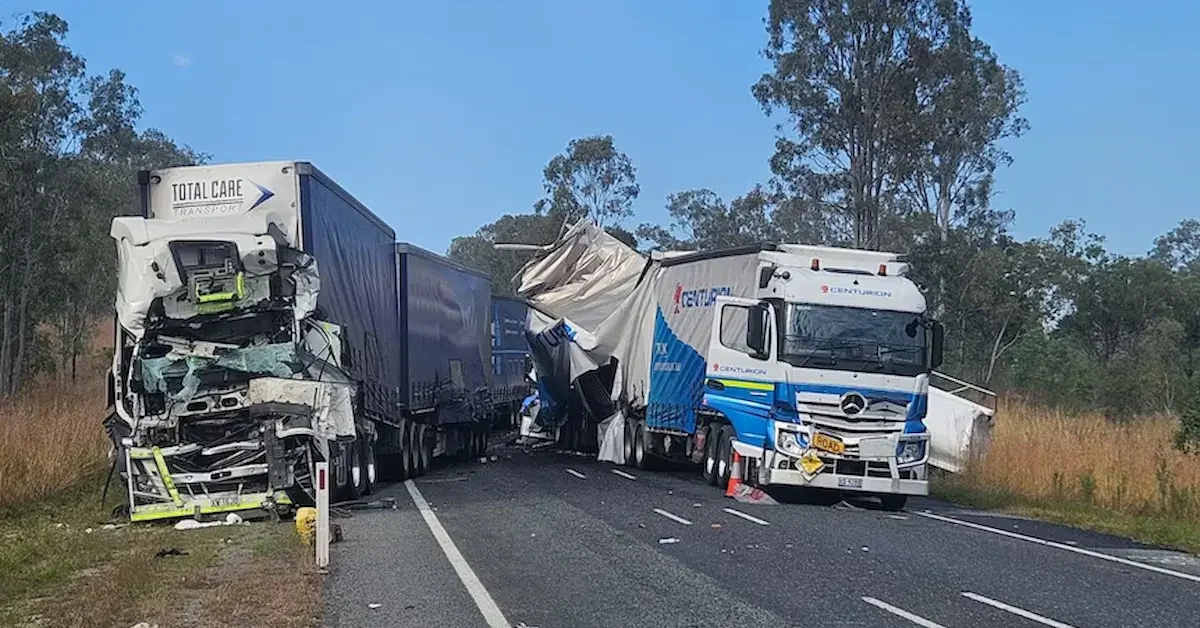
A gladstone truck crash can be a serious event because heavy vehicles can cause significant damage, traffic disruption, and injuries when a collision occurs. Whether you witnessed a crash, were involved in one, or are researching truck safety in the Gladstone area, knowing what to do next is important.
Truck accidents can involve heavy rigid trucks, prime movers, semi-trailers, tankers, delivery vehicles, and other commercial vehicles. The circumstances can vary widely, so it is important to rely on verified information rather than assumptions about what caused a particular incident.
This guide explains common causes of truck crashes, what drivers and witnesses should do after a collision, how investigations generally work, and practical ways to reduce the risk of future incidents.
What Is a Truck Crash?
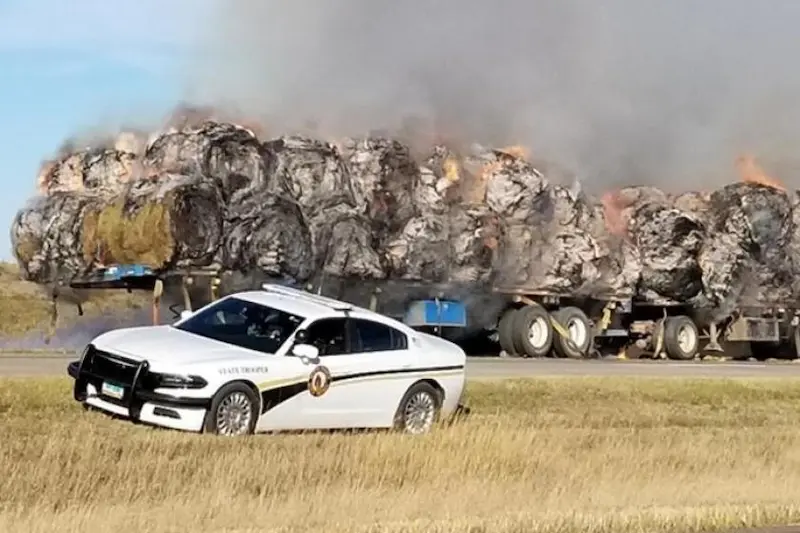
A truck crash is a collision involving a heavy commercial vehicle and another road user, object, or vehicle. Depending on the circumstances, a crash may involve:
- Trucks and passenger cars
- Trucks and motorcycles
- Two or more heavy vehicles
- Trucks and pedestrians
- Trucks and roadside infrastructure
- Single-vehicle truck incidents
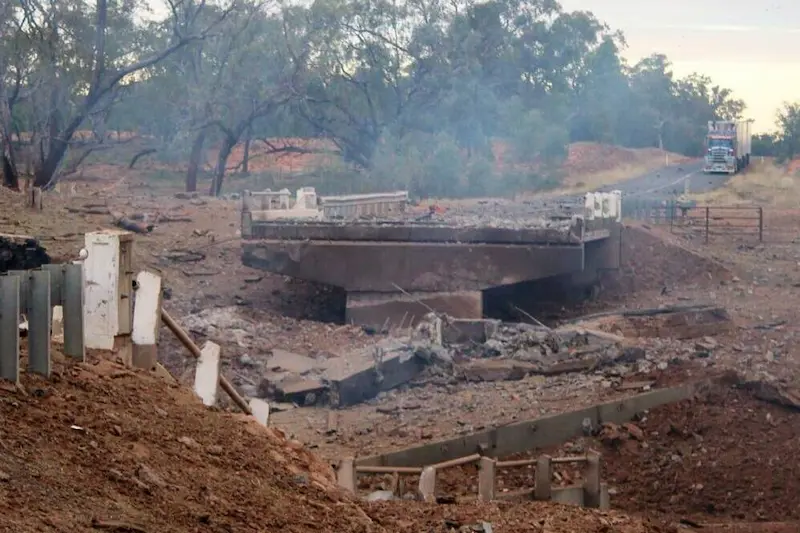
The consequences can range from minor vehicle damage to major injuries, road closures, fires, hazardous-material incidents, or damage to infrastructure.
Because trucks are generally larger and heavier than passenger vehicles, collisions can require emergency services, traffic management, vehicle recovery, and detailed investigation.
Why Truck Crashes Can Be Serious
Heavy vehicles have characteristics that can affect how collisions occur.
Greater Vehicle Mass
A loaded commercial truck can weigh considerably more than an ordinary passenger vehicle. This difference in mass can increase the consequences of a collision. Gladstone Truck Crash
Longer Stopping Distances
A truck may need more distance to stop, particularly when travelling at higher speeds or carrying a heavy load. Gladstone Truck Crash
Large Blind Spots
Heavy vehicles can have areas around the truck that are difficult for the driver to see. Other road users should avoid remaining alongside or immediately behind a truck when possible. Gladstone Truck Crash
Load and Trailer Factors
A poorly secured, unevenly distributed, or unsuitable load can affect vehicle stability and handling.
Fatigue and Long-Distance Driving
Commercial drivers may spend long periods on the road. Fatigue can reduce alertness and reaction time, making appropriate rest and fatigue-management practices important. Gladstone Truck Crash
you may also like it;
crane truck gladstone | Local Lifting Guide
Tip Truck Hire Gladstone: A Complete Local Hire
truck explodes near gladstone: What We Know
Chemical Truck Explosion Gladstone: What to Know
Common Causes of Truck Crashes in Gladstone
The cause of an individual gladstone truck crash should not be assumed without reliable evidence. However, truck collisions can occur for a number of general reasons. Gladstone Truck Crash
Driver Distraction
Using a phone, adjusting equipment, eating, or becoming distracted by activity inside or outside the vehicle can reduce a driver’s attention. Gladstone Truck Crash
Fatigue
Fatigue can affect concentration, reaction time, decision-making, and awareness of surrounding traffic.
Excessive or Unsafe Speed
Travelling too fast for traffic, weather, road conditions, or a particular manoeuvre can increase the likelihood and severity of a collision. Gladstone Truck Crash
Mechanical Problems
Brake, tyre, steering, suspension, lighting, or other mechanical problems can contribute to a crash if they are not identified and addressed appropriately. Gladstone Truck Crash
Unsafe Following Distance
Following another vehicle too closely gives a driver less time and space to respond if traffic suddenly slows. Gladstone Truck Crash
Poor Weather
Heavy rain, reduced visibility, wet surfaces, strong winds, or other adverse conditions can make heavy-vehicle operation more challenging. Gladstone Truck Crash
Load Problems
A load that is improperly secured or distributed can affect braking, steering, and stability.
Road and Traffic Conditions
Construction, congestion, intersections, lane changes, roadworks, and unexpected traffic movements can all create additional risks. Gladstone Truck Crash
What to Do If You Are Involved in a Truck Crash
If you are involved in a truck collision, safety should be the first priority.
1. Move to Safety if Possible
If the vehicle can be moved safely and there is no immediate danger, move away from moving traffic. Do not place yourself at additional risk simply to inspect vehicle damage. Gladstone Truck Crash
2. Call Emergency Services When Necessary
Serious injuries, dangerous road conditions, fires, hazardous substances, or significant traffic hazards require prompt emergency assistance. Gladstone Truck Crash
Give responders the clearest location information you can and explain any immediate hazards.
3. Check for Injuries
If it is safe to do so, check whether anyone needs urgent assistance. Avoid moving an injured person unless there is an immediate danger requiring evacuation.
4. Be Careful Around Damaged Trucks
Do not approach a damaged truck unnecessarily. A vehicle may contain fuel, chemicals, pressurised systems, damaged electrical equipment, or an unstable load.
If you suspect a hazardous substance is involved, keep a safe distance and follow emergency responders’ instructions. Gladstone Truck Crash
5. Exchange Relevant Information
Where appropriate and safe, exchange information with other involved parties. Avoid arguments about who caused the crash at the scene. Gladstone Truck Crash
6. Record Useful Evidence
If conditions are safe, photographs can help document:
- Vehicle positions
- Visible damage
- Road conditions
- Traffic signs
- Lane markings
- Debris
- Weather conditions
- Relevant surrounding areas
Do not put yourself in danger to take photographs.
What Should Witnesses Do?
Witnesses can sometimes provide valuable information about what happened.
If you witnessed a gladstone truck crash, consider:
- Moving to a safe location
- Contacting emergency services if required
- Providing factual information to authorities
- Recording what you actually observed
- Keeping photographs or video captured safely and lawfully
- Avoiding speculation about the cause of the crash
A useful witness statement should distinguish between what you directly saw and what you believe may have happened. Gladstone Truck Crash
How Truck Crashes Are Investigated
A serious commercial vehicle collision may involve several forms of investigation.
Investigators may examine:
- Driver accounts
- Witness statements
- Vehicle damage
- Road conditions
- Weather
- Vehicle maintenance records
- Electronic or other available vehicle data
- Load information
- CCTV or other footage where available
- Traffic conditions
- Relevant road rules and safety requirements
The exact investigation process depends on the circumstances and the authorities involved.
It is important not to label a driver, company, or another party as responsible before the relevant investigation has established the facts. Gladstone Truck Crash
Truck Crash vs Truck Breakdown
A truck crash and truck breakdown are different events.
| Truck Crash | Truck Breakdown |
| Involves a collision or impact | Usually involves mechanical or operational failure |
| May involve injuries | May occur without a collision |
| Can require police and emergency response | May primarily require roadside assistance |
| Can involve other road users | Often involves one vehicle |
| May require accident investigation | Usually focuses on diagnosis and recovery |
A mechanical failure can sometimes contribute to a collision, but a breakdown by itself is not necessarily a crash.
What Happens to the Truck After a Serious Crash?
A heavily damaged commercial vehicle may require specialist recovery.
Depending on the circumstances, recovery can involve:
- Heavy vehicle towing
- Load removal
- Traffic management
- Fluid or debris cleanup
- Mechanical inspection
- Vehicle storage
- Damage assessment
- Repair or assessment for replacement
A damaged truck should not simply return to normal operation without appropriate inspection and repairs.
Why Truck Maintenance Matters
Preventative maintenance can help identify vehicle problems before they become more serious.
Fleet operators and truck owners should follow the vehicle manufacturer’s recommended maintenance requirements and applicable heavy-vehicle obligations.
Important areas can include:
- Braking systems
- Tyres and wheels
- Steering
- Suspension
- Lights
- Mirrors
- Couplings
- Trailer components
- Engine and cooling systems
- Electrical systems
- Load restraints
Maintenance alone cannot prevent every crash, but properly maintained equipment is an important part of road safety.
How Drivers Can Reduce Truck Crash Risks
Heavy-vehicle safety requires attention to both the vehicle and the road environment.
Maintain a Safe Following Distance
Leave enough space to respond to sudden braking or traffic changes.
Check Blind Spots
Drivers should regularly monitor mirrors and remain aware of vehicles that may be difficult to see.
Adjust Driving to Conditions
Rain, darkness, congestion, roadworks, and other conditions may require additional caution.
Secure Loads Properly
Loads should be handled and restrained according to the applicable requirements for the vehicle and cargo.
Manage Fatigue
Drivers should follow applicable fatigue-management requirements and take appropriate breaks and rest.
Inspect the Vehicle
Pre-trip and ongoing checks can help identify visible problems with tyres, lights, brakes, coupling equipment, and other critical components.
How Other Drivers Can Stay Safe Around Trucks
Truck safety is not only the responsibility of heavy-vehicle drivers. Other motorists also need to understand how trucks behave on the road.
Helpful habits include:
- Avoid lingering in truck blind spots.
- Do not cut closely in front of a truck.
- Leave extra space when overtaking.
- Allow trucks room to turn.
- Expect a truck to require more braking distance.
- Use indicators and make lane changes predictable.
- Avoid sudden braking directly in front of heavy vehicles.
- Give trucks additional space in poor weather.
A truck may need to move across more than one lane or take a wider path when negotiating certain turns, so patience can help prevent dangerous situations.
What Information Is Useful After a Truck Crash?
If you are involved in a collision and it is safe to document the circumstances, useful information may include:
- Date and approximate time
- Location
- Direction of travel
- Vehicle registration details
- Names and contact details of relevant parties
- Witness contact information
- Photographs
- Dashcam footage
- Visible road conditions
- Weather conditions
- Damage to vehicles or property
- Details provided by emergency responders
Keep original photographs and videos where possible rather than relying only on edited or compressed copies.
When Should You Seek Legal Advice?
Legal issues following a truck crash can be complicated, particularly where there are serious injuries, significant property damage, insurance disputes, employment questions, or multiple parties.
Consider obtaining independent legal advice if you need help understanding your rights or obligations.
A lawyer may need to review the specific facts, available evidence, applicable laws, insurance arrangements, and deadlines. Avoid assuming that a general online article can determine who is legally responsible for an individual collision.
Common Mistakes After a Truck Crash
Leaving Safety Out of the Equation
Trying to inspect damage while standing in active traffic can create another danger.
Speculating About Fault
The visible circumstances of a crash may not tell the whole story. Investigations can reveal information that is not immediately apparent.
Losing Evidence
Photos, dashcam recordings, contact details, and other information can become difficult to recover later.
Posting Detailed Accusations Online
Publicly blaming individuals or businesses before the facts are established can create unnecessary complications.
Delaying Important Assistance
If someone is seriously injured or there is an immediate hazard, seek appropriate emergency assistance rather than attempting to handle the situation alone.
What Causes the Most Damage in Heavy-Vehicle Collisions?
The seriousness of a truck collision depends on many factors rather than one single feature.
These may include:
- Vehicle speed
- Vehicle mass
- Point of impact
- Road design
- Weather
- Traffic density
- Vehicle condition
- Load characteristics
- Whether occupants were properly restrained
- Emergency response time
This is why each crash needs to be assessed based on its own circumstances.
How Truck Operators Can Improve Fleet Safety
Businesses operating commercial vehicles can take a proactive approach to reducing collision risks.
A practical safety program may include:
- Scheduled vehicle inspections and maintenance.
- Driver training and refresher programs.
- Fatigue-management procedures.
- Load restraint checks.
- Incident reporting procedures.
- Regular review of recurring vehicle faults.
- Clear procedures for roadside breakdowns.
- Appropriate insurance and documentation.
- Monitoring of driving and vehicle safety practices where legally and appropriately permitted.
A strong safety culture can benefit both drivers and other road users.
Frequently Asked Questions
What should I do after a truck crash in Gladstone?
Move to a safe location if possible, check for injuries, contact emergency services when required, and follow instructions from authorities. If it is safe, preserve useful information such as photographs and witness details.
What are common causes of truck crashes?
Potential contributing factors include driver fatigue, distraction, unsafe speed, following too closely, mechanical problems, poor weather, load issues, and changing traffic or road conditions. The cause of a specific crash should be confirmed through appropriate investigation.
Can a truck crash involve hazardous materials?
Yes, depending on the type of commercial vehicle and its cargo. If a damaged truck may be carrying hazardous substances, keep your distance and follow emergency responders’ instructions rather than approaching the vehicle.
Conclusion
A gladstone truck crash can affect drivers, passengers, businesses, emergency services, and the wider community. The safest response is to prioritize people, move away from immediate hazards when possible, contact the appropriate emergency services, and provide accurate information rather than making assumptions about fault.
For truck operators, regular maintenance, responsible driving, fatigue management, proper load security, and awareness of surrounding traffic are essential parts of safer heavy-vehicle operations. Understanding what to do before and after a gladstone truck crash can help people respond more calmly and safely when a serious road incident occurs.
